
Interpreting your Child’s Artwork
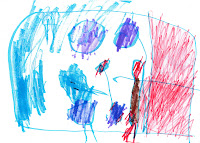
Children’s drawings, doodles and sketches have been the subject of study now for over a hundred years, and new theories and ideas about what they mean, how they develop, and how they can be used both educationally and therapeutically, are arising all the time. This week, I’m going to look at whether children’s drawings, especially younger children, can give any psychological insights into their character and thinking. There is a school of thought that believes that children’s scribbles and doodles are in fact deeply revealing of intelligence, personality and emotional state, in the same way graphologists believe that handwriting is for adults. Analysts will look at how the drawing sits on the page, the character of the mark making (for example whether it is bold or light) the colours used, and whether or not it fills the page
نقاشی، طراحی و خط خطیهای کودکان بیش از صد سال موضوع تحقیق بوده است. تئوریها و ایدههای جدیدی درباره معنی، نحوه ایجاد و استفاده آنها در آموزش و درمان همواره مطرح میشوند. آیا نقاشی کودکان، به خصوص در سنین پیشدبستانی، میتواند بینش روانشناختی از شخصیت و تفکرشان بدهد؟ عدهای باور دارند که خط خطیها و خرچنگ قورباغههای کودکان در واقع هوش، شخصیت و شرایط احساسی آنها را عمیقا آشکار میکند، همانطور که دست خط بزگسالان این موارد را نشان میدهد. مواردی که روانکاوان بررسی میکنند به صورت زیر است:
نقاشی چطور در صفحه کاغذ جا گرفته است، خطوط چگونه ایجاد شدهاند (مثلا پررنگ هستند یا کمرنگ)، از چه رنگهایی استفاده شده و آیا نقاشی تمام صفحه را در بر میگیرد؟
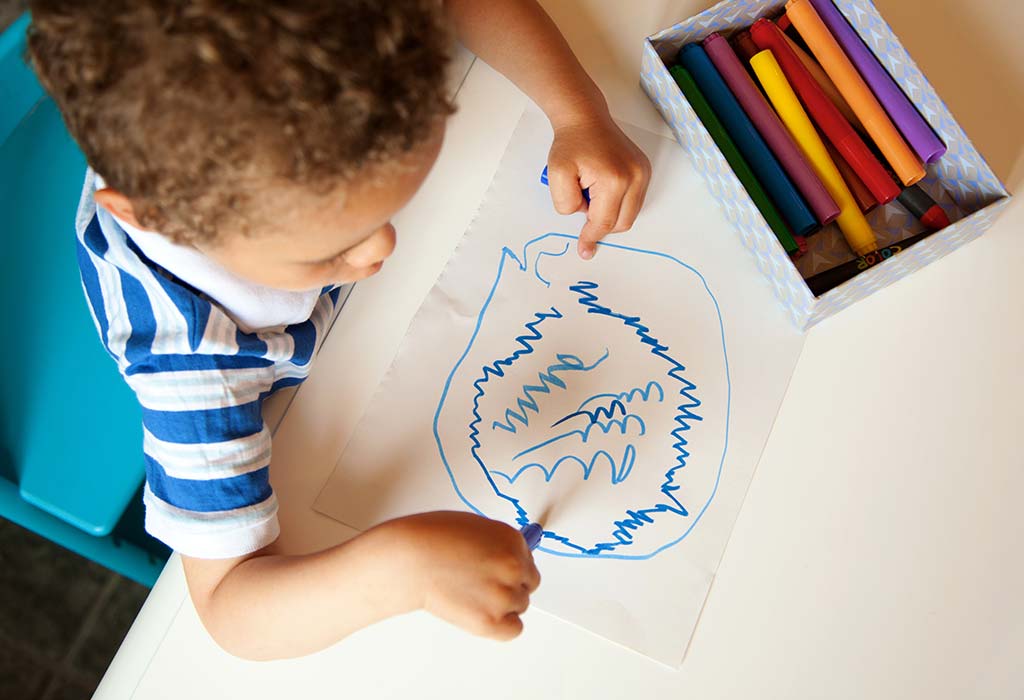
There are, perhaps unsurprisingly, perceived to be some differences between how and what girls and boys will draw. For example, the theory is that over the age of about 4 or 5, rounded shapes will usually be doodled by girls (including flowers, hearts etc.) while angles, boxes, straighter lines etc. are more characteristic of boys, along with typical subject matter of methods of transport. There is a tendency also in general terms for children to prefer to draw their own gender. Apparently there is some evidence for girls’ preferences for horizontal baselines and symmetrical compositions
احتمالا جای تعجبی نیست که بین نقاشی دختران و پسران تفاوتهایی باشد. برای مثال یک تئوری این است که بعد از حدودا 4 یا 5 سالگی، دختران معمولا اَشکال گرد میکشند (گل و قلب و ...) در حالی که زوایا، جعبهها، خطوط صافتر و همچنین روشهای حمل و نقل یک موضوع عادی در نقاشیهای پسران است. به طور کلی کودکان ترجیح میدهند جنسیت خودشان را بکشند. ظاهرا شواهدی وجود دارد که دختران مبنای افقی و آثار قرینه را میپسندند.
The choice of colour apparently can be significant. Black and purple suggest dominance, (black in particular often being associated with negative feelings) and can be favoured by a child who is relatively demanding. Blue is popular with children who have a caring nature and enjoy company. Red is the colour of excitement, may be used especially by children to don’t want to miss out on anything, and is one of the most popular colours for children to use. Pink shows a need for love and appreciation and is favoured by girls, and green is the colour of those who like to be different, like space, and are artistic and intelligent. Yellow also demonstrates intelligence and a sunny nature. Early research seemed to suggest that younger children preferred the warm colours, while older children preferred the cooler colours
گویا انتخاب رنگ میتواند مهم باشد. مشکی و بنفش نشانگر سلطهگری هستند و کودکی نسبتا پرتوقع ممکن است به آنها علاقه نشان دهد.
( خصوصا مشکی معمولا ناشی از احساسات منفی است). آبی محبوب کودکانی است که ذات مهربان دارند و از همنشینی با دیگران لذت میبرند. قرمز، رنگ هیجان، ممکن است مورداستفاده بچههایی قرار گیرد که نمیخواهند فرصتی را از دست بدهند و یکی از محبوب ترین رنگهای کودکان است. صورتی نیاز به عشق و قدردانی را نشان میدهد و میان دختران طرفدار دارد. سبز، رنگ کسانی است که میخواهند متفاوت باشند، به فضا علاقه دارند و باهوش و هنرمند هستند. زرد نشانگر هوش و ذات شاد است. ظاهرا تحقیقات اولیه اظهار دارند که بچههای کوچکتر رنگهای گرم، و بزرگترها رنگهای سردتر را میپسندند.
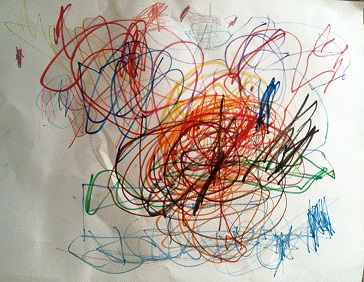
When it comes to how a drawing is positioned on the page, apparently the left side of the page is traditionally associated with the past and with nurturing. It is also associated with mothers. The right side relates to an interest in the future, and a need to communicate. This side is associated with fathers. A child who places a drawing of a good size, prominently on the page is considered to be well-balanced and secure, while in contrast, small figures drawn at or near the lower edge of the paper or in a corner, express feelings of inadequacy or insecurity
وقتی صحبت از محل قرارگیری نقاشی در صفحه میشود، انگار سمت چپ صفحه به طور مرسوم با گذشته، پرورش و همچنین مادران در ارتباط است. سمت راست مربوط به علاقه به آینده، نیاز به ارتباط و پدران است. کودکی که نقاشیاش اندازه مناسبی دارد و آن را واضح در صفحه میکشد، متعادل و مطمئن تلقی میشود. در مقابل، اشکال کوچکی که در لبه یا گوشه کاغذ هستند، احساس کمبود و نا امنی را منتقل میکنند.
Detailed, careful drawings may reveal a child who feels the needs to try very hard. Bold strokes, especially if close together, can be a sign of stress, strong feelings, determination or anger, while softer marks suggest a gentler nature. The quality of line can also be significant – a figure drawn with light, wavering, broken lines, reveals a hesitant, insecure child who appears to think as he goes along. By contrast the bold, continual, freely drawn line is expressive of self-confidence, and a feeling of security, This child is carying out what has already been clearly visualised
نقاشیهای پرجزئیات و با دقت میتواند نمایانگر کودکی باشد که حس میکند باید بسیار تلاش کند. خطوط درشت، به خصوص اگر نزدیک هم باشند، میتواند نشانهی اضطراب، احساسات قوی، اراده یا عصبانیت باشند، در حالی که خطوط ملایمتر حاکی از ذات آرامتر هستند. کیفیت خطوط هم میتواند مهم باشد؛ اشکال با خطهای کمرنگ، لرزان و شکسته، کودک مردد و نامطمئن را نشان میدهد که ظاهرا حین پیشروی فکر میکند. در مقابل خط پررنگ و ممتدی که آزادانه کشیده شده حس اعتماد به نفس و امنیت را به تصویر میکشد. این کودک طرح از پیش تعیین شده را روی کاغذ میآورد.
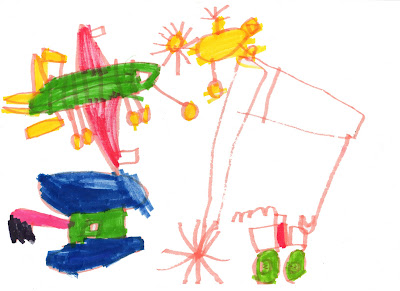
When drawing figures, the size, and the relative size of the figures drawn is considered to be significant, with more important or dominant figures being drawn larger. The absence of arms is sometimes interpreted as indicating timidity, a sign of non-agressive children, whereas exaggerating the size of the hands is seen as symbolic of aggressive tendencies if the figure is a self-portrait. Likewise, tiny feet are seen as a sign of insecurity – literally an unstable foundation
هنگام کشیدن اندام، بزرگی و اندازه نسبی آنها معنی دارد, طرحهای مهمتر یا قوی، بزرگتر کشیده میشوند. گاهی نبود دست به نشانهی کمرویی و عدم پرخاشگری معنا میشود، در حالی که اگر کودک تصویر خود را بکشد اغراق اندازهی دست به معنی تمایل به پرخاشگری است. همچنین پاهای بسیار کوچک علامت کمبود اعتماد به نفس است و به معنی واقعی کلمه، بنیاد متزلزل رفتاری را نشان میدهد.
All children have their own ‘style’ and their preferred subjects, and any individual child will produce artwork which is distinctively theirs, but when it comes to interpretation there seems to be broad agreement that a child’s drawing will be more reflective of their mood at that particular moment, than of a wider personality trait
هر کودک "سبک" , موضوعات موردعلاقه خود را دارد و هر یک، اثر هنری منحصر به فردی درست میکند اما در زمینهی تفسیرشان، توافقی گسترده وجود دارد که:
نقاشی کودک، به جای خصوصیات شخصیتی، بیشتر احساسات آن لحظهشان را نشان میدهد.
برای ورود به سایت دنیای واژه ها بر روی لینک زیر کلیک کنید.
- رقابت با بیش از 90 هزار شرکت کننده
- یادگیری واژههای کتب درسی، Longman، TOEFL، IELTS، GRE و بیشتر ...
- یادگیری لغات از طریق استفاده از آنها در نوشتن داستان به انگلیسی
- در هرجا واژه نامه شخصی خود را به همراه داشته باشید.
اینستاگرام دنیای واژه ها:
به دلیل انتقال بهتر مفهوم مقاله بصورت کلمه به کلمه ترجمه نشده است .
از قسمت فایل ضمیمه میتوانید نسخه جدید اپلیکیشن دنیای واژه ها را دانلود کنید.
